
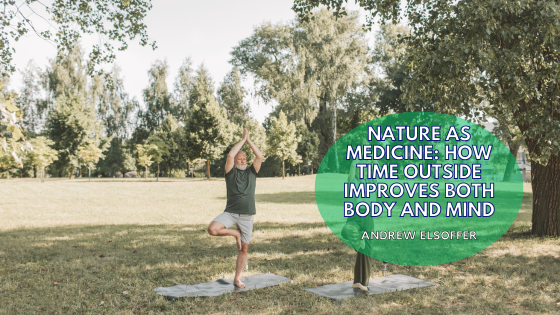
In a world dominated by screens, schedules, and constant stimulation, many of us are disconnected from one of the most powerful sources of healing available: nature. Time outdoors is not just a luxury or a leisure activity—it’s a form of medicine for both the body and the mind. Research and lived experience consistently show that being in natural environments supports physical health, emotional balance, and mental clarity.
Here’s how spending time outside can transform your well-being.
1. Nature Reduces Stress and Anxiety
One of the most immediate benefits of being outdoors is its calming effect. Natural settings lower cortisol—the body’s main stress hormone—and activate the parasympathetic nervous system, which helps us relax.
Time in nature:
• Slows racing thoughts
• Reduces feelings of overwhelm
• Encourages mindfulness
Even a short walk in a park can shift your mental state from tension to ease.
2. Outdoor Time Boosts Mood and Mental Health
Sunlight increases the production of serotonin, the “feel-good” brain chemical linked to happiness and emotional stability. Being outdoors also reduces symptoms of depression and improves overall mood.
Nature supports mental health by:
• Increasing positive emotions
• Decreasing rumination
• Improving attention and focus
Fresh air and open space help your mind reset.
3. Physical Movement Comes Naturally
When you’re outside, movement feels less like exercise and more like exploration. Walking trails, cycling, gardening, or playing with kids all encourage physical activity without pressure.
Physical benefits include:
• Improved cardiovascular health
• Better muscle strength and flexibility
• Enhanced immune function
Your body thrives when movement is joyful and consistent.
4. Nature Improves Cognitive Function
Time in natural environments has been shown to improve memory, creativity, and problem-solving. Nature restores your attention and reduces mental fatigue caused by constant digital input.
Outdoor experiences help:
• Boost concentration
• Improve learning capacity
• Enhance creativity
This makes nature especially powerful for students, professionals, and anyone feeling mentally drained.
5. Strengthening the Mind-Body Connection
Being outdoors increases your awareness of physical sensations—breathing, posture, and movement. This deepens your connection to your body and promotes healthier choices.
You become more:
• Present
• Grounded
• Intuitive about your needs
That awareness supports long-term wellness.
6. Supporting Emotional Resilience
Nature reminds us that change is constant and cycles are natural. Watching seasons shift, rivers flow, and trees grow builds perspective and emotional strength.
It encourages:
• Patience
• Acceptance
• Inner calm
These qualities help you navigate life’s challenges with steadiness.
7. Building Social and Spiritual Connection
Nature brings people together—through hikes, picnics, outdoor sports, and shared experiences. It also provides quiet space for reflection and meaning.
It fosters:
• Deeper relationships
• A sense of belonging
• Spiritual grounding
Connection is healing.
8. Making Nature Part of Daily Life
You don’t need mountains or beaches to benefit from nature. Simple habits make a difference:
• Walk during lunch breaks
• Sit outside with your morning coffee
• Spend weekends in parks or green spaces
Consistency matters more than location.
Conclusion
Nature is one of the most accessible and effective forms of medicine available. It calms your mind, strengthens your body, and restores your sense of balance.
When you step outside, you’re not escaping life—you’re reconnecting with it.