
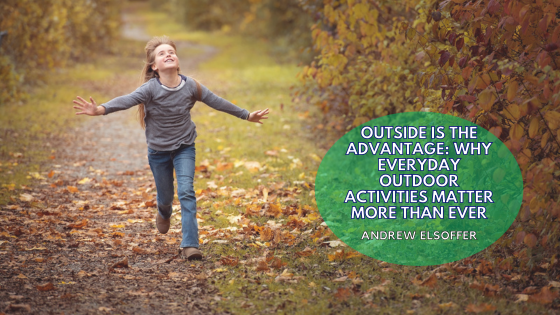
In an era defined by screens, schedules, and constant connectivity, stepping outside has quietly become a competitive advantage. Outdoor activities are often framed as leisure or recreation, but today they serve a far more essential role. From improving mental health to strengthening relationships and boosting productivity, everyday time spent outdoors is proving to be one of the most accessible and impactful ways to enhance overall well-being. The simple act of going outside—walking, gardening, playing, or even sitting in fresh air—matters more now than at any point in recent history.
The Modern Indoor Shift—and Its Consequences
Work, education, entertainment, and social interaction have increasingly moved indoors and online. While technology has delivered efficiency and convenience, it has also contributed to longer sedentary periods, higher stress levels, and reduced exposure to natural environments. Research consistently links excessive indoor time with fatigue, reduced attention span, and declining mental health.
This shift has made outdoor activity less routine and more intentional. As a result, many people underestimate how foundational outdoor exposure is to physical and emotional balance. The loss is subtle but cumulative, affecting energy levels, mood regulation, and even creativity.
Physical Benefits That Go Beyond Exercise
Outdoor activities do not need to resemble formal workouts to deliver physical benefits. A brisk walk around the neighborhood, yard work, or playing with children outside engages the body in ways that indoor movement often cannot. Uneven terrain, fresh air, and natural light stimulate muscles, joints, and coordination more holistically than controlled indoor environments.
Sunlight exposure also supports vitamin D production, which plays a role in bone health, immune function, and mood regulation. Even modest daily outdoor movement can improve cardiovascular health, reduce inflammation, and support better sleep patterns. The key advantage lies in consistency—small, regular outdoor activities compound into meaningful long-term health outcomes.
Mental Clarity and Emotional Resilience
One of the most powerful benefits of outdoor activity is its impact on mental health. Time spent outside has been shown to reduce stress hormones, lower anxiety, and improve focus. Natural environments offer a psychological reset, allowing the mind to disengage from constant stimulation and regain clarity.
Unlike digital breaks, outdoor time encourages presence. The sensory experience—light, sound, temperature, and movement—grounds individuals in the moment. This is particularly valuable for managing chronic stress and preventing burnout. Even short outdoor breaks during the workday can improve cognitive performance and emotional regulation.
For children and adolescents, outdoor play is especially critical. It supports emotional resilience, social development, and problem-solving skills in ways that structured indoor activities often cannot replicate.
Strengthening Relationships Through Shared Outdoor Time
Outdoor activities also create space for connection. Walking with a partner, playing a game as a family, or meeting friends outside fosters interaction without the pressure of formal settings or digital distractions. Conversations tend to flow more naturally, and shared experiences build stronger bonds.
For families, everyday outdoor routines—after-dinner walks, weekend park visits, or backyard activities—offer low-cost, high-impact opportunities to stay connected. These moments often become rituals that anchor relationships and create lasting memories.
Communities benefit as well. Outdoor presence increases neighborhood engagement, from casual conversations to shared activities. Over time, this visibility contributes to safer, more connected environments.
Productivity, Creativity, and Perspective
Stepping outside is not a break from productivity—it is a contributor to it. Outdoor time has been linked to improved creativity, problem-solving, and decision-making. A change in environment helps disrupt mental ruts and encourages fresh perspectives.
Many professionals report that their best ideas emerge during walks or moments away from screens. Outdoor movement stimulates blood flow and neural activity, making it easier to think clearly and strategically. As workplaces increasingly emphasize performance and innovation, integrating outdoor time into daily routines becomes a practical advantage rather than a luxury.
Making Outdoor Activity a Daily Standard
The power of outdoor activity lies in its simplicity. It does not require special equipment, extensive planning, or large time commitments. What it does require is a mindset shift—from viewing outdoor time as optional to treating it as essential.
Small changes make a difference: choosing to walk instead of drive short distances, taking phone calls outside, scheduling outdoor breaks, or encouraging outdoor play over screen time. When these habits become routine, the benefits compound naturally.
Conclusion
Outside is no longer just a place—it is an advantage. In a world that increasingly pulls people indoors, everyday outdoor activities provide balance, resilience, and connection. They support physical health, mental clarity, stronger relationships, and sustained performance. By reclaiming outdoor time as a daily priority, individuals and families invest in a healthier, more grounded way of living. Sometimes, the most powerful step forward begins by simply stepping outside.